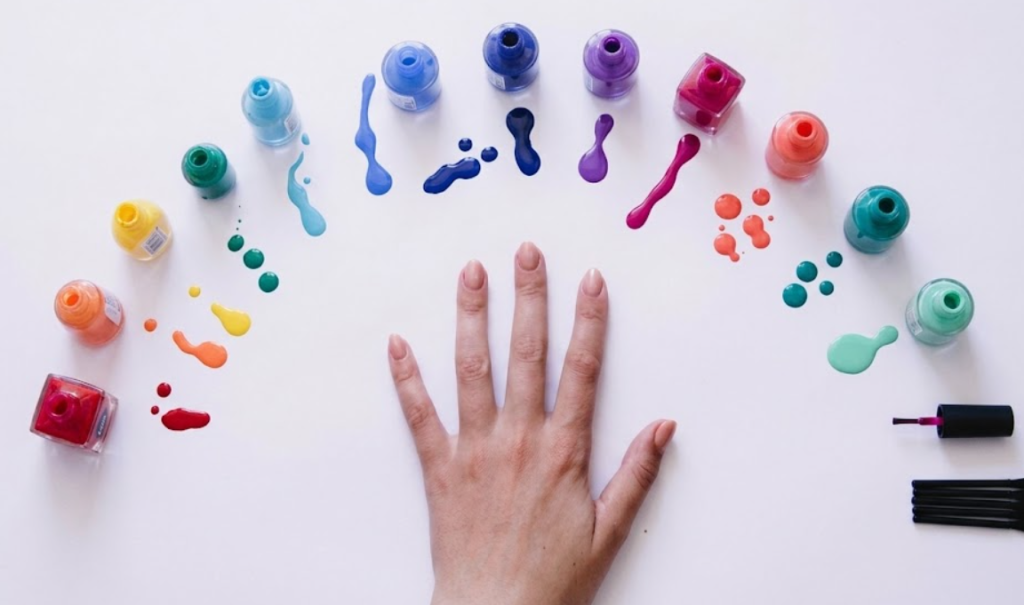
Nail polish has become a very common part of beauty and fashion nowadays, but in the Muslim community, an important question often arises regarding its use: is nail polish halal?
So, you should understand that in the online market and content, there are generally two types of views: one that recommends halal nail polish, and the other that says it is not correct at all. However, in this debate, a clear and practical solution is often not presented, which causes even more confusion for people.
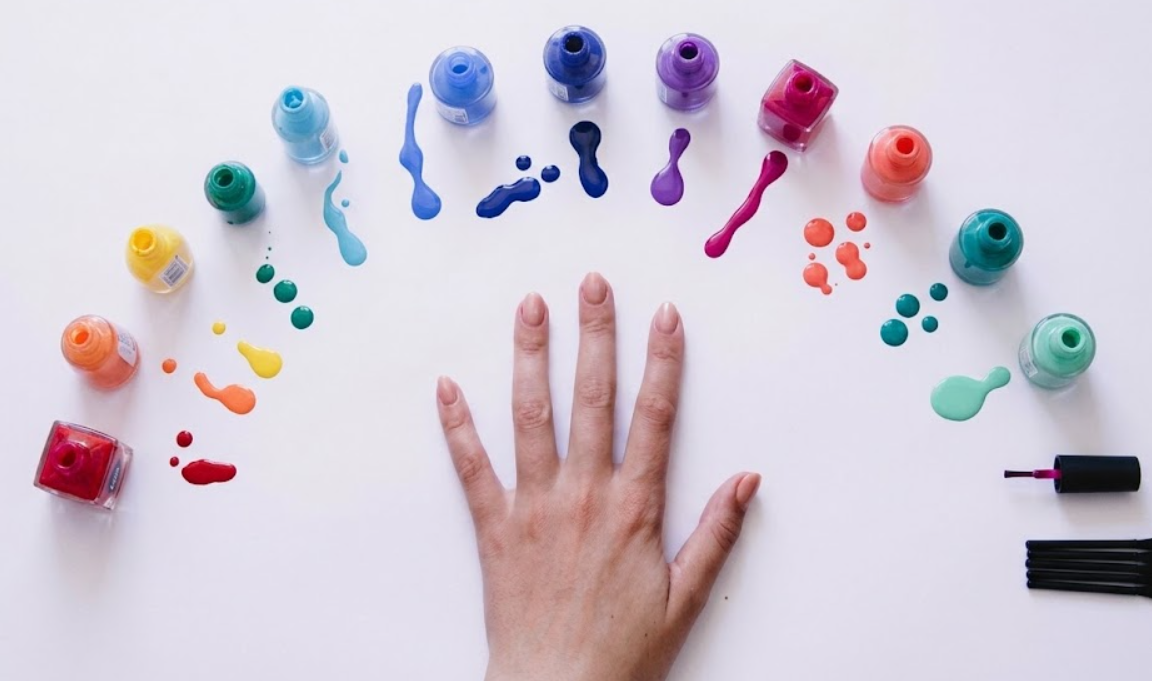
This question is not very easy to answer simply, because it is not only related to beauty but also to Islamic worship, especially the rules of Wudu and Salah.
That is why we have done deep research on this topic and prepared a practical solution for Muslims, whether you are in the United States, Pakistan, or anywhere in the world, to help you understand this confusion and make better decisions in your daily life.
So, we will go from the basics to the solution step by step.
A. Basic Concept of Nail Polish
Nail polish is a cosmetic coating product that is applied to the surface of the nails to give them color, shine, and an aesthetic look. It comes in liquid form, and after application, it dries to form a thin protective film layer on the nail.
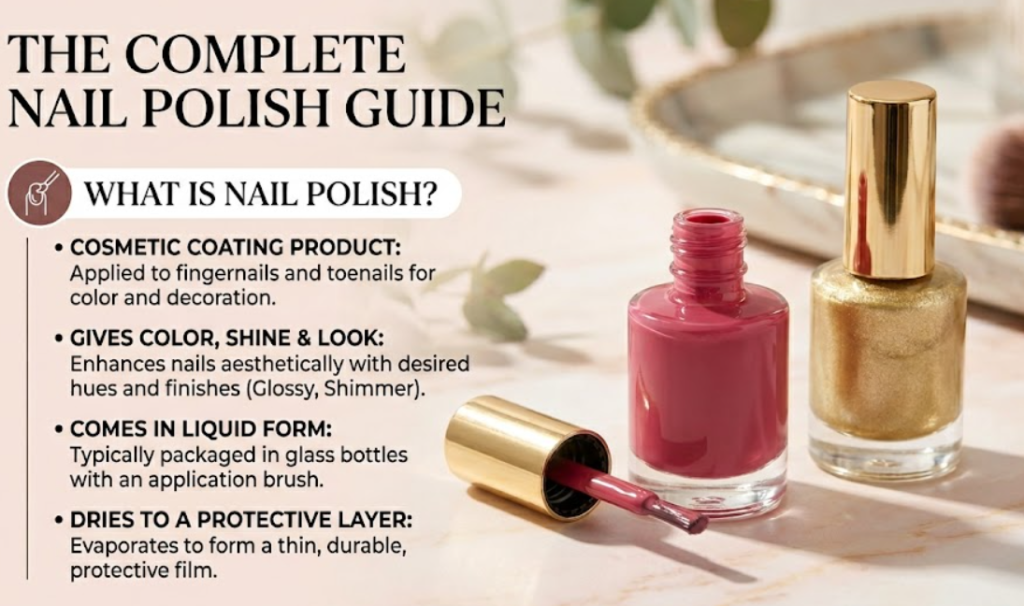
Its basic function is limited to beautification, but in the modern beauty industry, nail polish is also used as a fashion statement and a personal grooming tool. It is available in different shades, textures, and finishes (matte, glossy, gel, etc.).
In daily life and beauty culture, the use of nail polish is very widespread. Women use it in casual routine grooming, special occasions, and cultural events to enhance their overall appearance. Social media and beauty trends have made this product even more popular, where nail art and manicure styling have become a separate aesthetic category.
B. Islamic Perspective on Taharat
In Islam, taharat (cleanliness) is not limited to physical cleanliness only; rather, it is a concept of spiritual and ritual purity that is an essential part of worship. For a Muslim, along with outward cleanliness, inner purity also holds equal importance.
Performing Wudu before Salah is a fundamental requirement in Islam. Wudu is a specific process in which the face, hands, head, and feet are washed so that a person can prepare physically and spiritually for worship. It is not just a process of cleanliness but also a preparation to stand before Allah.
For Wudu to be valid, it is necessary that water reaches the skin directly and makes complete contact with all the required areas. If something, such as a coating or layer, prevents water from reaching the skin, then the completeness of Wudu comes into question.
C. Nail Polish and the Issue of Wudu
After applying nail polish, a sealed layer or film coating is formed on the surface of the nails which completely covers the nail. This layer is water-resistant, meaning it generally prevents water from directly reaching the surface of the nail.
From an Islamic perspective, during Wudu it is necessary that water reaches all parts of the body where washing is required, including the nails. When nail polish is present on the nail, it creates a possibility that water may not make proper contact with the nail plate.
For this reason, the completion and validity of Wudu comes into question, because if water does not reach the nail due to a physical barrier, then the requirement of cleanliness may not be fulfilled.
D. Concept of “Halal Nail Polish”
In this topic, a modern idea comes forward which is called “Halal Nail Polish”. This concept is mostly a mixture of cosmetic industry innovation and religious compliance marketing.
1. Claim of Breathable or Water-Permeable Nail Polish
Some brands claim that their nail polish is “breathable” or “water-permeable”, meaning it contains microscopic pores that allow water to pass through to the nail. According to supporters, because of this technology, water can reach the nail during Wudu, and therefore it is considered “Wudu-friendly” or “Halal compatible”.
2. Use of the “Halal” Label in Marketing
On the other hand, critics say that the “halal” label is often used as a marketing strategy. According to them, the concept of halal certification in the cosmetic industry is not equally strict for every product, and sometimes this label is simply used for branding and to gain consumer trust.
3. Need to Understand This Concept
Because of this debate, it becomes important that consumers do not rely only on labels, but understand that the concept of “halal nail polish” does not follow the same standard in every context. On one side there is a claim of innovation and new technology, while on the other side there is a strict interpretation of religious requirements, which makes this concept controversial.
E. The Actual Solution of Nail Polish For Muslims
In Islam, a person is not only guided by external rules, but also encouraged to pay attention to their nature, understanding, and internal guidance, especially when doubt arises about whether something is halal or permissible.
1: Peace of heart and internal feeling
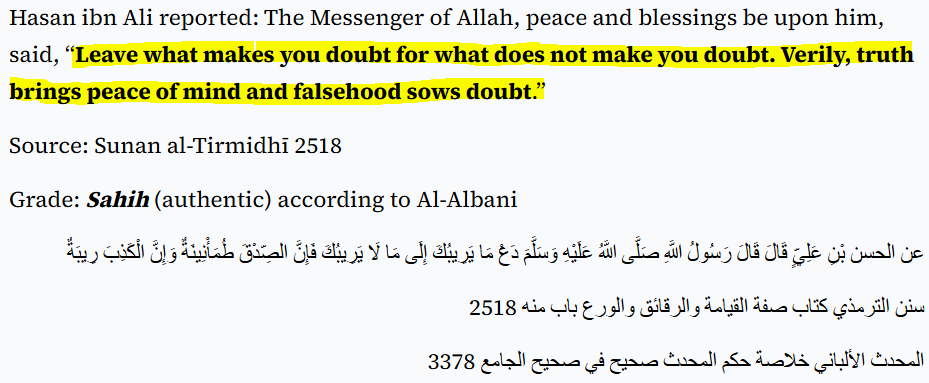
If a person feels an inner hesitation or uneasy feeling about something, thinking that it may not be right, then in Islam this internal sense is also given importance. It is often said that a person’s heart gives signals when they are moving towards something doubtful or questionable.
2: Avoiding doubtful matters

If there is no clear certainty about whether an action or thing is halal or correct, and doubt arises, then it is better to avoid it. In Islam, clarity and certainty are given priority, while situations of uncertainty and confusion are advised to be avoided.
3. Practical Use of Nail Polish
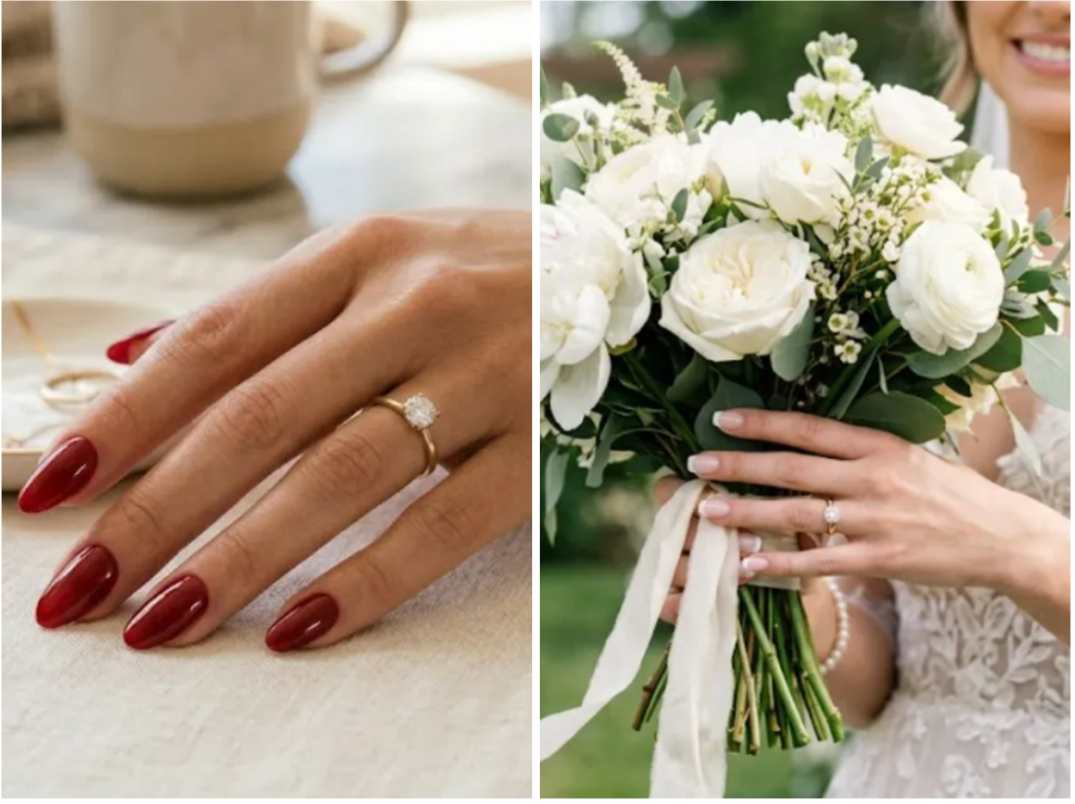
This does not mean that Islam prohibits the use of nail polish or that you cannot apply it. You can absolutely use nail polish, because the prohibition of nail polish is not directly mentioned in the Qur’an. It can be used for occasions such as weddings, events, or other special gatherings. Most of these occasions last 1–2 days, so during such short periods, using nail polish is practical, and religious practices can also be managed accordingly.
However, the real concern for many Muslim women is related to the daily use of nail polish, especially in relation to Wudu and Salah. This is where the practical difficulty and confusion usually arise.
4. Daily Use and Practical Solution
However, if someone wants to use nail polish on a daily basis, then there are some practical approaches for them:
First, they can choose halal or safer formulation nail polish, in which generally harmful or harsh chemicals are reduced or controlled, such as:
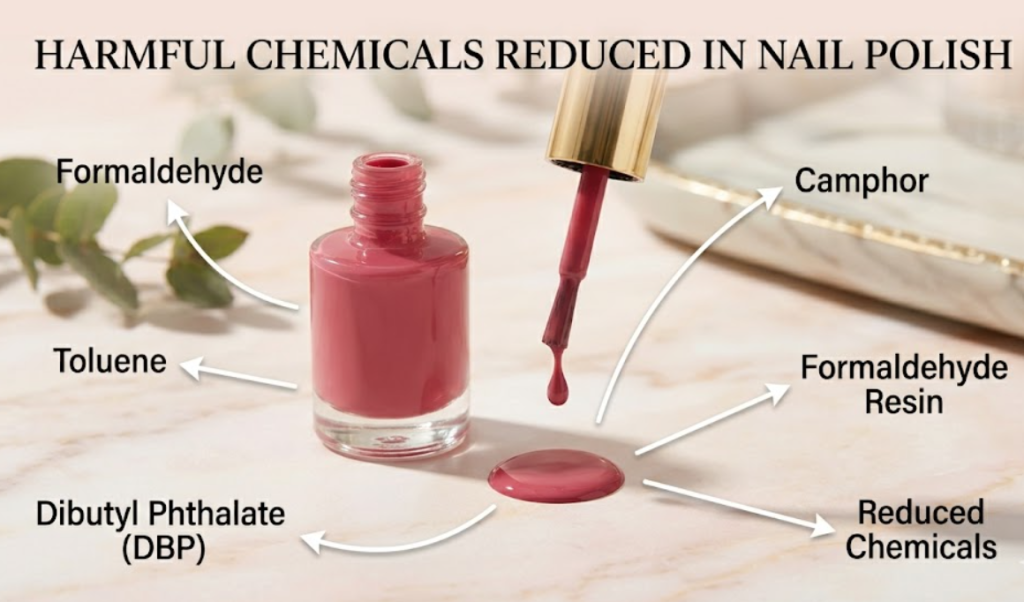
- Formaldehyde
- Toluene
- Dibutyl Phthalate (DBP)
- Camphor
- Formaldehyde Resin
After this, time management becomes very important.
5. Prayer and Time Management Approach
If a person applies nail polish after Fajr prayer and later has to go out for work or an event during the day, they can plan according to their prayer timings.
For example:
If the time for Dhuhr prayer arrives, then ideally the prayer should be performed at its prescribed time. However, in case of a valid necessity, one may manage Dhuhr and Asr according to their situation and schedule.
Later, when returning home, if needed, the nail polish can also be removed so that there is no hesitation in performing Wudu.
F. Conclusion
The issue of nail polish is not limited only to beauty, but it is directly related to worship, especially Wudu. For this reason, different perspectives exist on this matter. On one side, there is the concept of “halal nail polish” which is based on modern formulations and claims, while on the other side, the traditional understanding considers direct contact of water in Wudu as necessary.
From a practical point of view, short-term use such as weddings or special occasions can be easily managed. However, for daily use, a person should consider their worship, timing, and personal satisfaction when making a decision.
If you want a step-by-step nail shape solution, check this guide: How to Fix Uneven Nail Shape at Home Like a Professional.