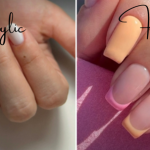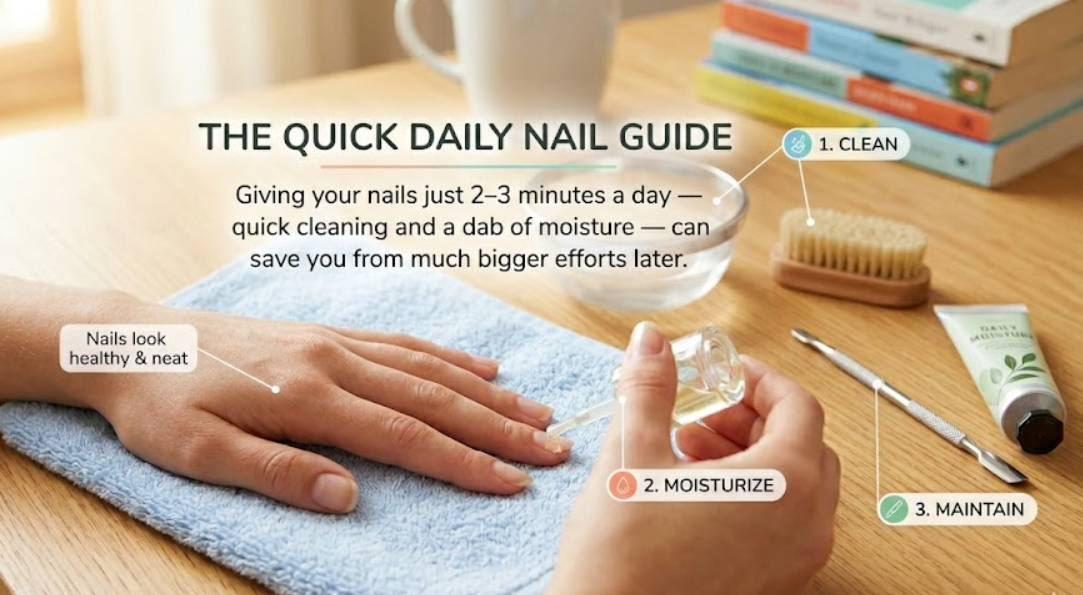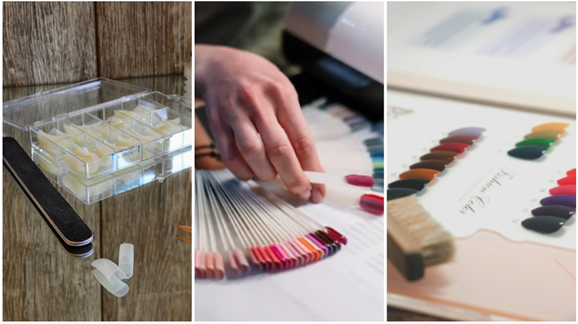
I think you have an event or function coming up,and you want to enhance your nails with false nails or artificial nails to make them stylish and well-groomed.From manicures to nail designs, artificial nails provide a long-lasting and versatile solution that helps create a stylish and unique look for everyone.
In the market, there are most artificial nails like acrylic nails, gel nails, wraps, and other nail extensions.The real question is: How do you choose the right type for your specific needs?If you do not find style to pick so the guide below will help you to find the right one for your natural nails.
What Are Fake Nails?
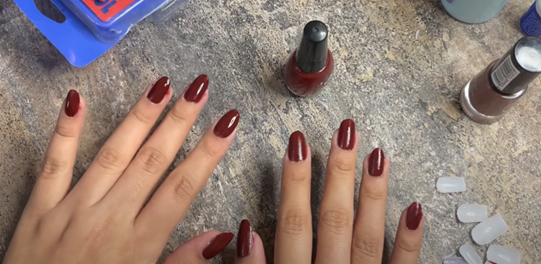
If you want to know the definition of fake nails, so fake nails, or artificial nails, are extensions (These nail extensions, usually made from materials such as acrylic, gel, silk, or fiberglass, can be applied) to your natural nails to enhance their appearance. You can apply them at a nail salon or at home using pre-made nail tips or by sculpting them directly onto your nails. Fake nails are a convenient way to achieve a stylish and artistic look.
Maintenance plays a big role in how long your artificial nails last. Whether you have acrylics or gels, understanding techniques like nail fills can significantly extend their life.For expert tips and to learn more, check out our guide on understanding nail fills and how they keep your manicure flawless.
Gel nails:
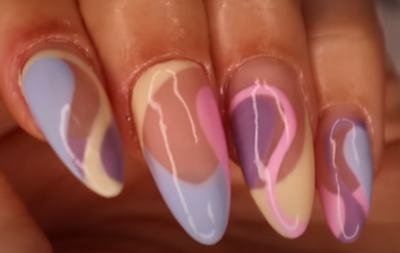
Gel nails are one type of fake nails. If you want a natural look, they are a better option than acrylic nails. They are known for their durability and can last up to two to three weeks. If you prefer shorter nail styles, such as square, circle, or squoval, gel nails can help you achieve them with ease.
Advantage:
Offer a natural appearance and are lighter than acrylic nails.
Minimize the risk of damage to natural nails.
Highly durable and resistant to chipping, lasting up to three weeks.
Quick-drying due to UV or LED curing.
Require less frequent maintenance compared to acrylic nails.
Disadvantage:
Curing requires exposure to UV or LED light, which some may find inconvenient.
Generally more expensive than traditional manicures or acrylic nails.
Regular upkeep is necessary, with refills required every 3–4 weeks.
Removal isn’t simple and often needs professional assistance, as regular nail polish remover won’t work.
Maintenance
Gel nails need upkeep every two to three weeks, with a technician filing and filling the space near the nail bed to prevent lifting.
Removal
Soak nails in polish remover or use wraps to loosen them. Avoid trauma to prevent bacteria and infections. For tips on how to safely remove adhesives, visit our guide on getting rid of nail glue the easy way at home.
Acrylic Nails
When you visit a salon, the technician will combine powder and liquid monomer to form a mixture, then brush it onto your nails. If you have short nails, they may add a tip or use a flexible form to sculpt and extend the nail. The product dries and hardens as it’s exposed to air, creating a durable finish. A strong odor may occur, but it’s harmless if the room is well-ventilated.
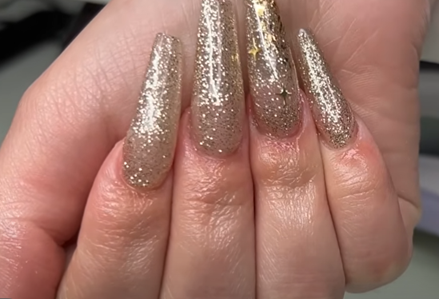
As the acrylic nails grow out with your natural nails, you’ll need to return for fill-ins every few weeks. The technician will file the acrylic edge and apply more acrylic powder and liquid mixture to keep your nails looking fresh. Acrylic nails offer many styling options, from natural shapes like squoval to dramatic stiletto nails, and can be customized with gel polish, nail polish, and dip powders. To know more about durability and upkeep, check out our detailed guide on the lifespan of acrylic nails and how to maintain them.
Advantages:
- Strength and durability
- Highly versatile for different shapes and designs
- Easy to find a nail tech
Disadvantages:
- Requires upkeep and fill-ins every 2-3 weeks
- Improper removal can damage natural nails
Maintenance
Acrylic nails grow out with your natural nails, so you need to visit the salon every 2-3 weeks for fill-ins. The technician files the acrylic edge and fills the gap to keep your nails looking fresh.
Removal:
When you decide to remove your acrylics, your technician soaks your nails in nail polish remover for 15 minutes and gently removes the acrylics without damaging your natural nails.
Press-On Fake Nails
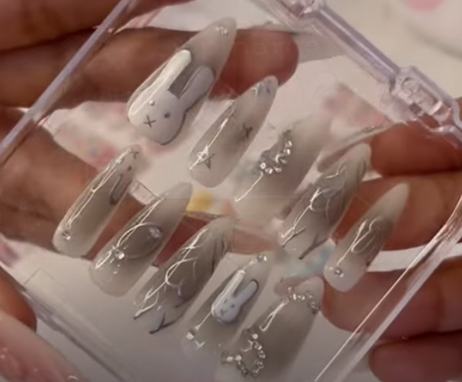
Press-on nails offer a convenient and affordable option for a quick manicure. You can press them on, paint them to match your nail shape and colour, and you’re all set. These fake nails come in various shapes and sizes, and they don’t require any special tools. When you’re ready for a change, you can easily remove them and apply a new look.
Advantages:
- Convenient and affordable
- Comes in various shapes and sizes
- No need for special tools
Disadvantages:
- Not as durable as other fake nails
- Can only last several days
Maintenance:
- Simply press and paint to match your nail shape and colour
Removal:
- Easily removed when ready for a new look
Shellac
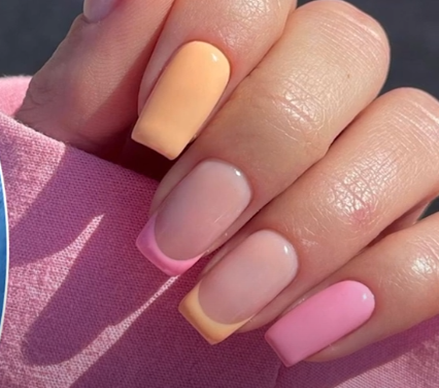
Shellac gives a powerful color payoff and long-lasting wear with UV rays. It can last up to two weeks without chipping, making it a great option for those who need a durable manicure. Professionals should handle the application to avoid any damage to your natural nails.
Advantages:
Provides long-lasting wear
smooth finish
powerful color payoff.
Disadvantages:
Difficult to remove and may damage natural nails if not done properly.
Maintenance:
Requires regular touch-ups and proper nail care.
Professional Removal:
Have a professional carefully remove Shellac to prevent damage to your natural nails.
Fiberglass and Silk Nails
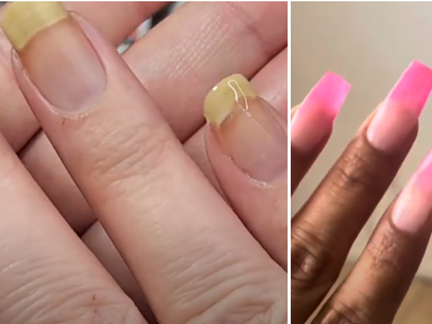
Fiberglass and silk are fabric wraps used to strengthen cracked nails or help them grow out. A technician will fit the wrap to your natural nail bed and then seal it with adhesive. These wraps are temporary and will loosen within a couple of weeks, especially if you wash dishes without gloves. After that, you can either remove or reapply them at your next follow-up visit.
Advantages:
- Fiberglass and silk nails provide a natural look.
- They are less common and ideal for weak nails or cracked nails.
Disadvantages:
- The adhesive can loosen within a couple of weeks or sooner if exposed to water frequently.
- They are temporary and need regular reapplication.
Maintenance:
- Keep nails away from water to maintain the adhesive.
- Visit your technician for adjustments and to reapply if necessary.
Removal:
- A professional technician can remove the wraps without damaging your natural nails.You can remove it at home.
Wrap nails:
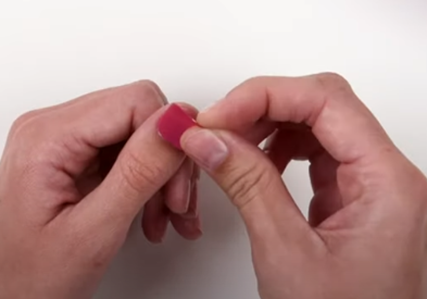
Wrap nails are a popular choice for false nails. They’re made by applying thin layers of silk or fiberglass to your natural nails, secured with resin or glue. This creates a strong, durable layer that gives extra strength and support to weak or damaged nails.
Advantages:
- Wrap nails provide a strong and durable overlay, offering extra strength and support to weak or damaged nails.
- They are less bulky than acrylic nails or gel nails, making them easier to maintain.
Disadvantages:
- Wrap nails may not last as long as other types of false nails.
- They can be more expensive compared to other nail treatments.
Maintenance:
- To maintain wrap nails, avoid using harsh chemicals and keep them clean.
- Regularly apply top coats to preserve their strength.
Removal:
- To remove wrap nails, soak them in acetone to soften the adhesive.
- Gently peel off the wraps without damaging the natural nails.
Dip Powder Nails:
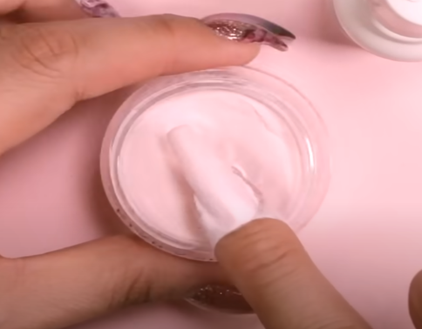
Dip powder nails offer a newer technique for creating fake nails. You apply a base coat, dip your nails into acrylic powder, and seal them with a top coat for long-lasting durability. These nails last up to four weeks without chipping or peeling, and they don’t need UV/LED light to cure. The process uses a clear liquid and activator to secure the powder on your nails. If you’re getting them done at a nail salon, it’s a good idea to research the right place before booking.
Advantages:
- Both offer long-lasting results (up to 4 weeks).
- Both methods don’t require UV/LED curing.
- You can easily create designs like French tips and ombre.
Disadvantages:
- While both last long, they may chip or fade over time.
- Salon visits can be expensive for both techniques.
- Need specific tools for proper application and removal.
Maintenance:
- Regularly apply a topcoat to maintain the shine and durability.
- Protect nails from harsh chemicals to avoid damage.
Removal:
- Soak nails to remove the powder or polish.
- Buff off or clip the layers for easier removal.
Choosing the Right Shape for You:
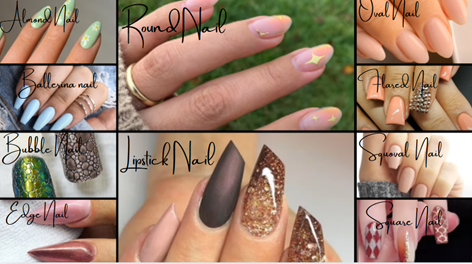
Here are popular fake nail shapes:
- Oval: Elongates fingers and suits most hand shapes.
- Square: Offers a bold look, best for long fingers.
- Round: Soft, classic look that works for most hand shapes.
- Almond: Tapered tips that elongate fingers, great for narrow nail beds.
Best Nails Styles accordion to your nails:
Short Fingers
Choose the best nails to make your short fingers look longer. Pick stiletto or almond-shaped styles to elongate your hands and create an elegant look. These shapes naturally highlight the beauty of your fingers.
Go for oval or squoval shapes if you want softer options. These styles feel comfortable and never look overdone, making them perfect for a daytime style. If you want to stand out, pick the bold shape of stiletto nails to achieve a striking and stylish appearance.
Long Fingers
Try almond or coffin-style nails if you want to make your long fingers stand out. Stiletto styles give an elegant finish and leave a lasting impression. You can experiment with other types of false nails to find what works best for your hands.
Focus on your natural nails before applying any style. Keep them in good condition to ensure the application is smooth and the nails last longer. Regular care keeps your nails healthy and helps them look their best.
Best Styles for a Low-Key Look
Choose wraps or silks for a natural and low-key look that takes minimal effort. These types of false nails last longer than regular nail polish, letting you enjoy your manicure without constant touch-ups.
A French manicure gives a classic and simple style that feels low maintenance compared to other faux nails options.
Try dip powder nails for a subtle style, and customise the colour to match your skin tone. If you’re short on time, grab press-on nails with pre-coloured styles. You can be ready in just two minutes while keeping things elegant and understated.
Best Styles for High-Impact Looks
Save the low-key styles for the daytime because the weekend calls for bold glamour. Choose acrylic or gel nails to elevate your high-impact look. These classic options come in various shapes and colours, adding extra oomph while staying sophisticated.
Go for stiletto-shaped acrylics if you want to create instant drama. These striking styles are ideal for daring fashionistas who love making bold statements.
Final Tips for Safe Nail Care:
When choosing artificial nails, make sure they are properly fitted to avoid damage to your natural nails. Poorly fitted nails can lead to nail infections, fungal infections, or even separation from the nail bed, allowing bacteria and fungus to enter. Always go to a reputable nail salon with good sanitary practices to prevent diseases. In jobs like food handling or patient care, nail polish and artificial nails are often prohibited because they make hand hygiene harder.
Be mindful of the chemical fumes from products like ethyl methacrylate and methyl methacrylate, which can cause asthma, dermatitis, and allergies. These chemicals may also cause drowsiness or trembling. Choose safer, more expensive alternatives to reduce potential harm and ensure a longer-lasting, healthier nail care routine.
Frequently Asked Questions
Why do acrylic nails hurt?
Sometimes, filing your natural nail bed can cause a bit of pain, and nail glue can sting when it’s applied. If you find it uncomfortable, you could take ibuprofen before heading to the salon. For tips on reducing the discomfort, check out our blog for more information on why acrylic nails might hurt.
How long do acrylic nails last?
The length of time acrylic nails last really depends on how well they’re applied and how much care you give them. If you follow the process carefully and take your time applying fake nails, they’ll last a lot longer and look great.
Are fake nails haram?
In Islam, wearing fake nails isn’t strictly prohibited, but it comes down to the intention behind it. If you wear them out of vanity or to show off, it could be seen as haram. However, if your goal is to protect or enhance your natural beauty without going against Islamic law, it can be acceptable.
How long do you want them to last?
If you’re looking for a temporary option, acrylics or gel nails are a great choice. If you’re after something that lasts longer, dip powder nails might suit you better.And the longevity of fake nails depends on the type and care. Acrylic nails last up to three weeks, while gel nails can last up to four weeks. Both can break or lift if not well-maintained.
How much money are you willing to spend?
Acrylics and gel nails are usually more affordable, while dip powder nails tend to be a bit pricier.
How much time do you have for upkeep?
All fake nails need some upkeep, but acrylics and gel nails often need more frequent touch-ups than dip powder nails.
What is your natural nail type?
If your nails are weak or brittle, gel nails might be the better choice since they put less stress on your natural nails. If your nails are strong and healthy, any type of fake nails will likely work well for you.
Do Fake Nails Damage Your Natural Nails?
Fake nails, such as acrylics or gel nails, can damage natural nails if not properly applied or removed. Here’s how:
- Improper application can cause thinning, decaying, or lifting.
- Chemical damage from adhesives can lead to blankness or fineness.
- Trauma during removal, like pulling off nails, can cause breakage or infection.
- Trapped moisture can cause fungal or bacterial infections.
- Filing for better adhesion can thin nails over time.
For minimal damage, ensure your fake nails are applied by professionals and take regular breaks.
What’s the Difference Between Acrylic and Gel Nails?
Acrylic nails are made from a liquid and powder, forming a durable layer over your nails. Gel nails are applied as a gel and cured with UV light, offering a more flexible and natural look. Acrylics tend to be stronger, while gels are more flexible.
How Are Fake Nails Made?
Fake nails are crafted from materials like plastic, acrylic, or gel. The mold is filled with the material and cured under UV light, then shaped and buffed to the desired length and thickness.
Who Invented Fake Nails?
Frederick Slack, a dentist, invented fake nails using dental acrylic. However, people in ancient Egypt used ivory, bone, and gold for nail extensions for centuries.
How to Remove Fake Nails?
To remove fake nails, soak in acetone for 10-15 minutes and gently push them off with a cuticle pusher. Avoid forceful removal to prevent damage. If unsure, consult a professional nail technician.