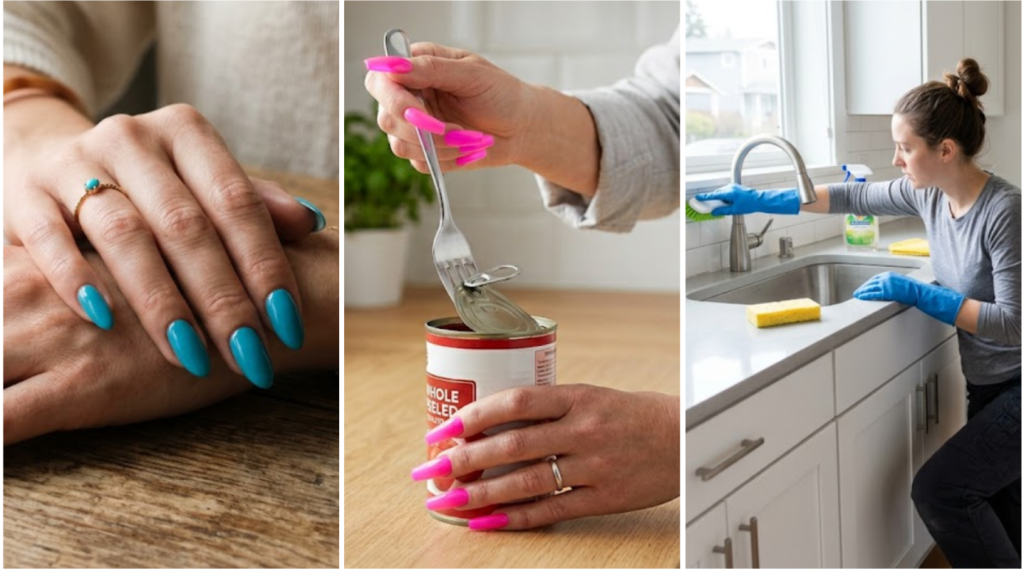
Are you also frustrated by the fact that your nails easily break or get damaged during household work? Do you feel that no matter how much care you take, your nails still end up weak and difficult to maintain?
This happens quite often, and the main reason is that our hands are not used to habits that protect our nails. During daily routine tasks, we often use our nails without even thinking, which leads to damage.
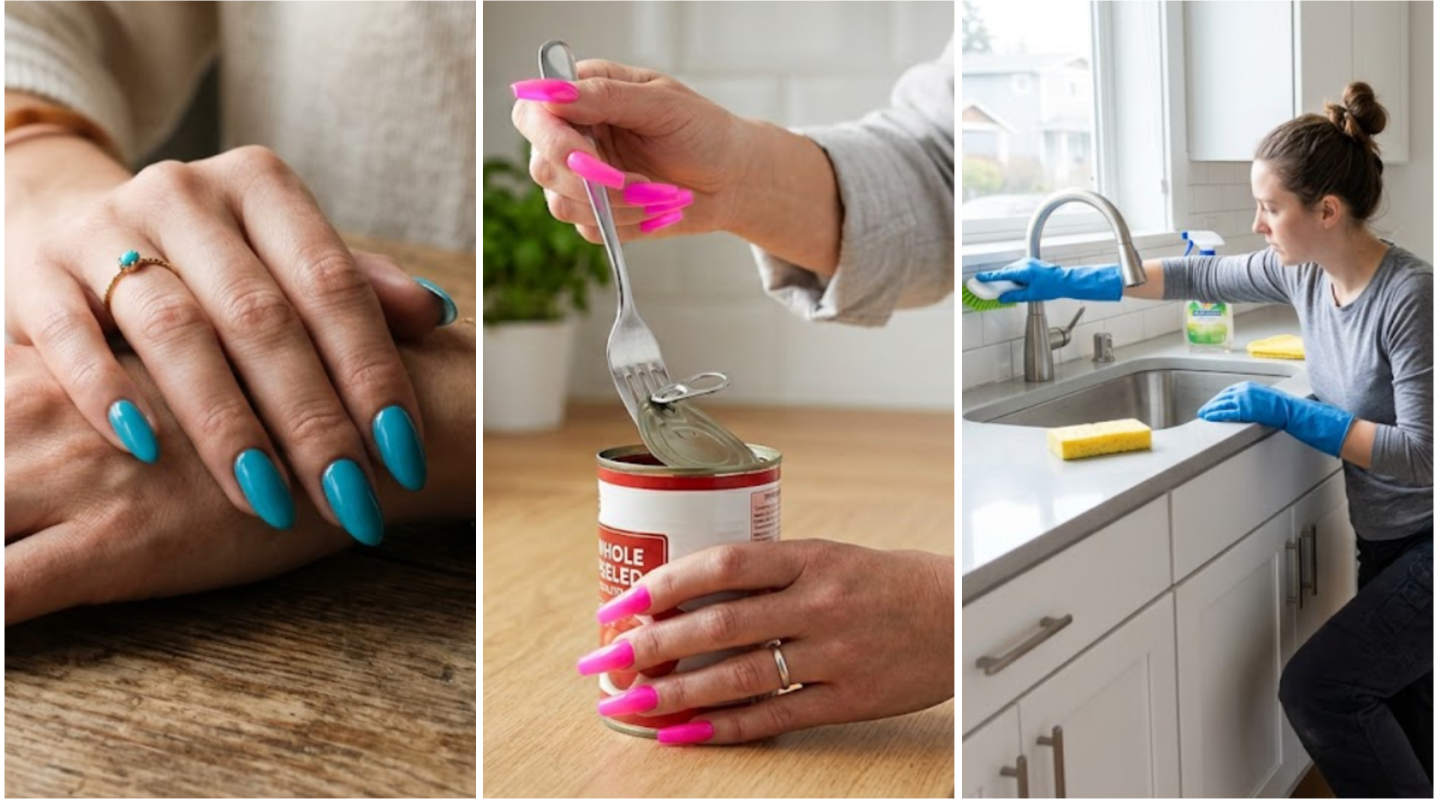
The good news is that with a little awareness, the right habits, and proper care, you can keep your nails strong, healthy, and beautiful—even while doing household chores.
In this guide, we will discuss 7 important steps that will help you protect your nails, make them stronger, and prevent damage during everyday household work.
7 Helpful Steps to Keep Your Nails Safe, Strong, and Beautiful During Home Work
1. Slow, Mindful and Controlled Movement
The first and most important step to protect your nails is to use your hands in a slow and mindful way. Rushing through tasks or handling things without thinking increases the chances of nail breakage.
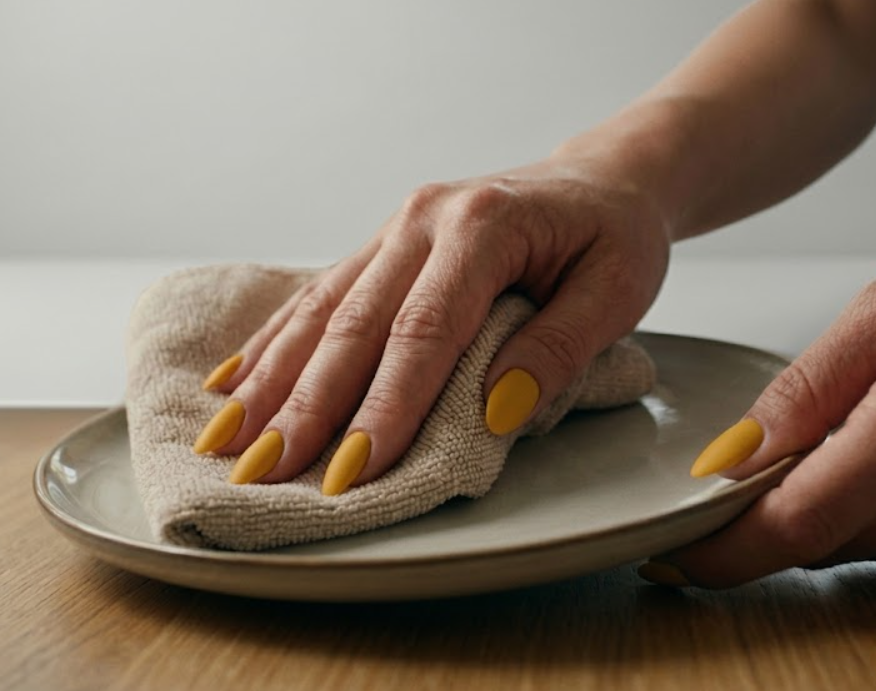
Instead of overusing fingertips, try using your knuckles or the sides of your fingers, especially when pressing buttons, opening cupboards, or using switches. Delicate tasks should always be done gently and with control so that there is no extra pressure on the nails.
If you want better nail care habits, this beginner-friendly manicure basics guide for healthy hands covers everything you should know.
2. Handling Objects Carefully
In daily routine, people often blindly reach into purses, drawers, or cupboards, which can be harmful to nails. Similarly, using nails to open or force objects can cause damage.
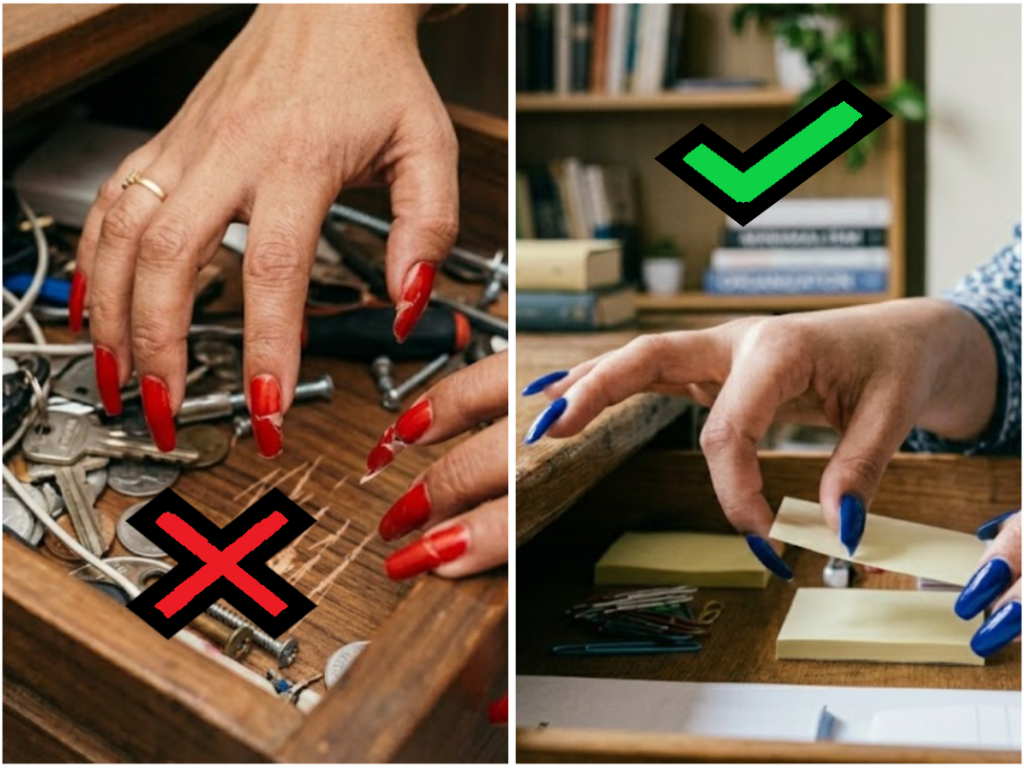
To avoid this, always look before you use your hands and rely on proper tools like forks, spoons, or knives when needed. This reduces direct stress on the nails and keeps them safe.
3. Cleaning Safety System
Nails are most exposed to damage during household cleaning, so proper protection is essential. Household tasks like bathroom cleaning, light dusting or wiping, and dishwashing (bartan dhona) are especially harsh on nails because they involve water, friction, and chemicals.
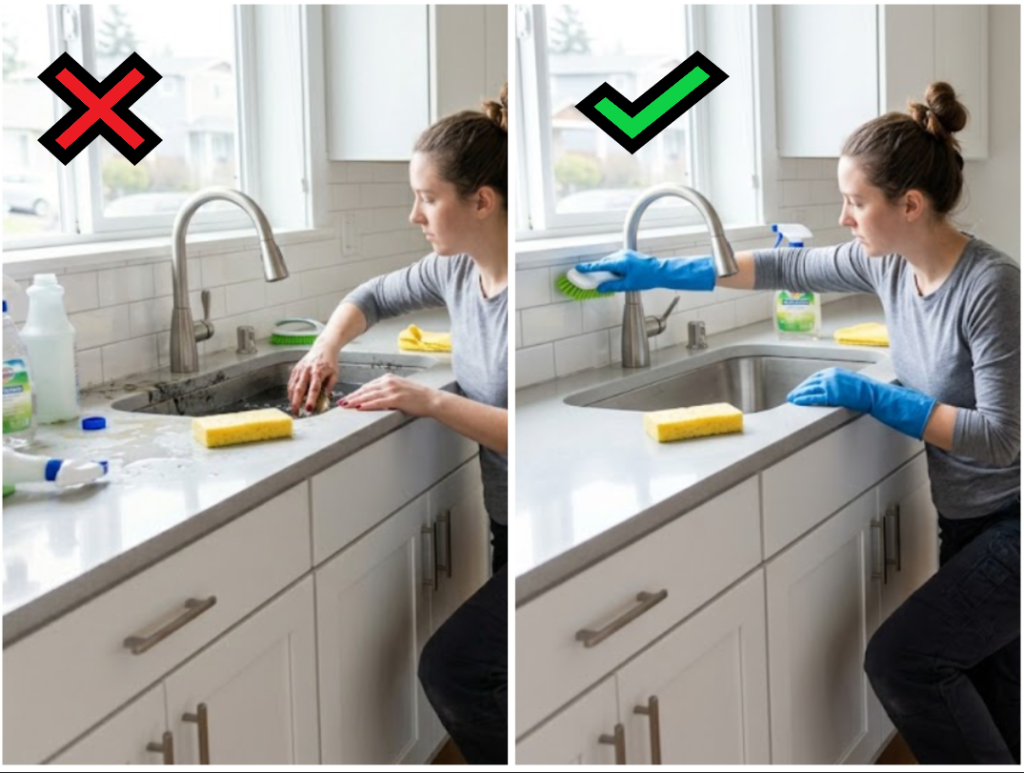
Wearing rubber gloves is one of the most effective ways to protect nails from water and chemicals. For floors and tiles, a scrub brush should be used so that pressure is applied by the brush instead of your nails.
A sponge or soft cloth is best for light cleaning, while using a mop further reduces the need to use hands directly. Additionally, using mild and skin-friendly detergents instead of harsh bleach is very important.
If you’ve ever struggled with smudged nails, these quick-dry nail polish techniques shared by real users can actually save your manicure in minutes.
4. Water Exposure Control
Excessive contact with water makes nails soft and weak, so they should not be kept in water for long periods. Wearing gloves while washing dishes or cleaning is the best protection.
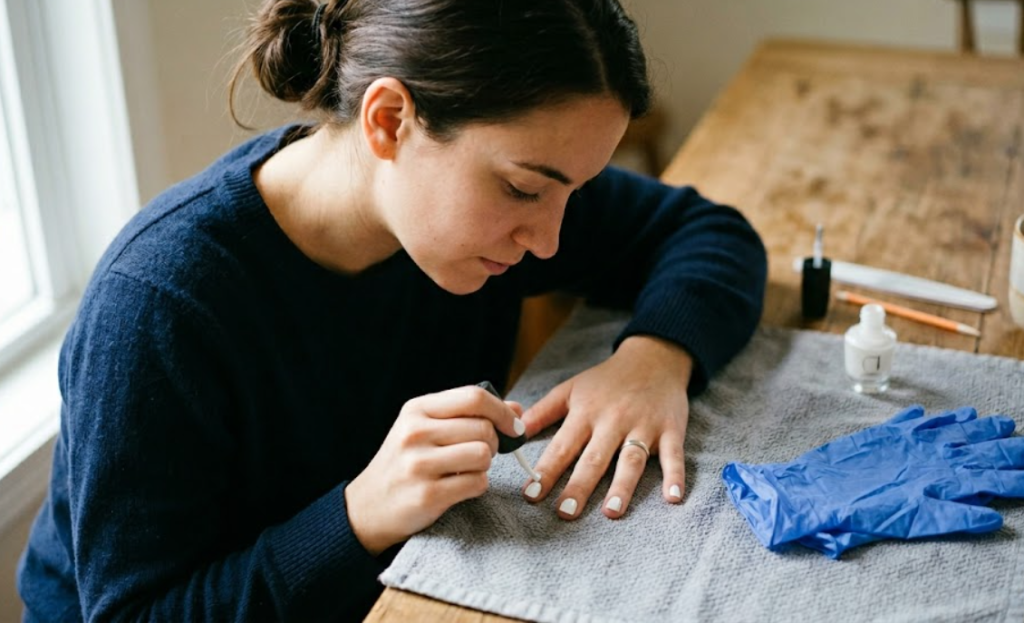
Applying nail polish (base coat, color, and top coat) creates a protective barrier against water damage. Even protecting the underside of the nails is helpful, as water can enter from there as well.
If you don’t want to apply a top coat anymore and instead want to remove your old nail polish or gel completely, then this guide to at-home gel polish and nail glue removal methods is exactly what you need for a safe and easy process.
5. Protection from Heat and Hot Water
Very hot water is harmful to nails because it makes them even softer and more brittle. That is why lukewarm water should always be preferred. Avoiding long exposure to water and keeping nails protected helps maintain their strength.
6. Avoid Using Nails as Tools
A common mistake is using nails as tools—for example, peeling stickers, opening cans, or scratching surfaces. This habit weakens nails and causes them to split or break.
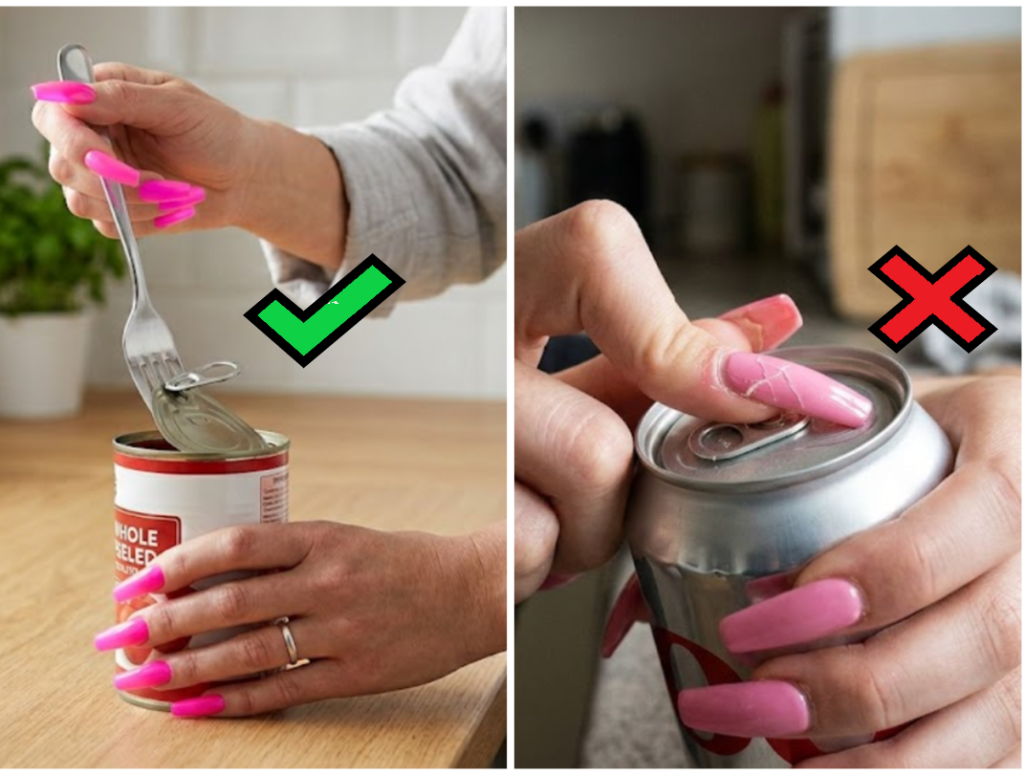
Instead, always use proper tools so that your nails are not exposed to unnecessary pressure.
7. Nail Strengthening and Regular Care
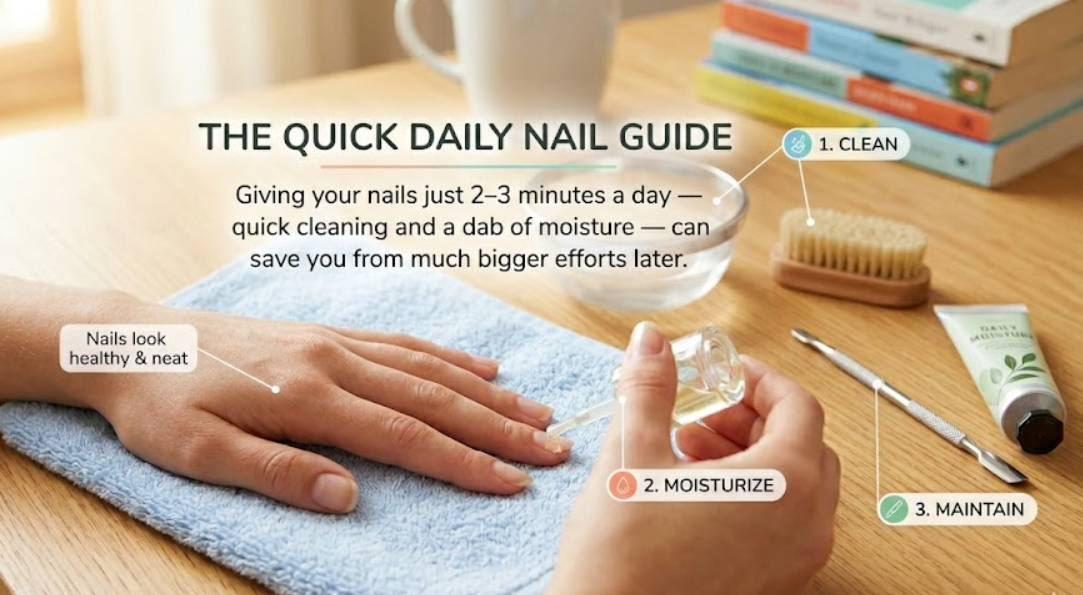
Regular nail care is essential for keeping nails strong and healthy. Using jojoba-based nail oil helps keep nails moisturized and flexible.
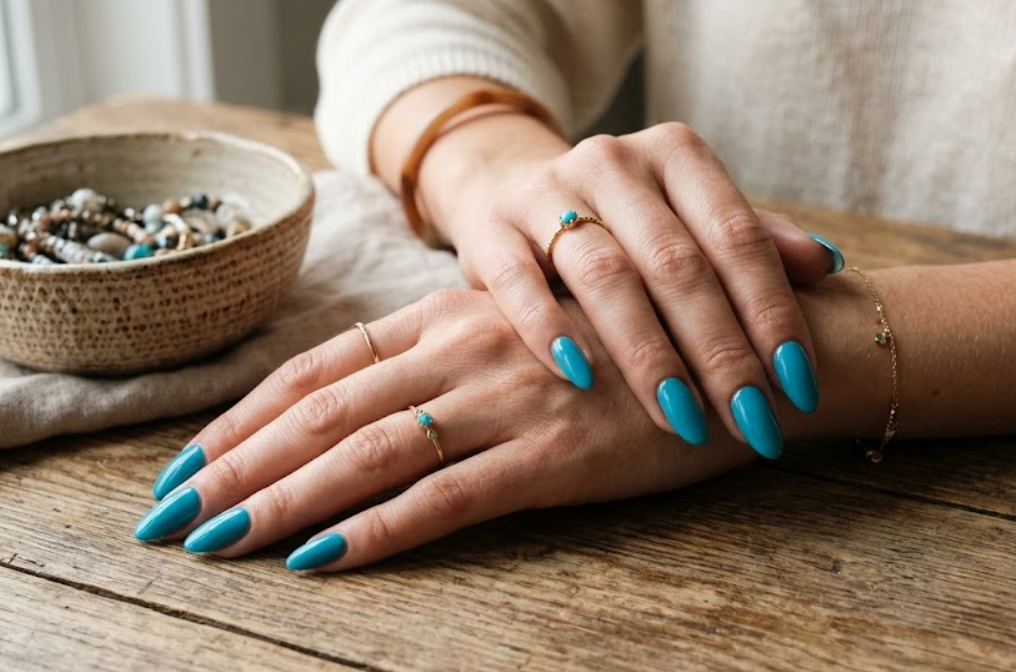
Nail strengtheners or clear coat polish provide an extra protective layer against daily damage. Consistent use of these products improves overall nail health.
If product safety matters to you, these expiry signs and storage tips for nail polish help you avoid damage to your nails.
Final Thoughts
When it comes to nail care, consistency and patience matter the most. If your nails grow naturally over time, your body and habits gradually adjust to their length, and you slowly develop better awareness and control in your daily movements. This makes nail care feel natural and effortless.
However, when you suddenly get artificial or fake nails, it can feel like a big change overnight. Your hands are not used to that new length, so simple daily tasks can become difficult and increase the chances of breaking or damaging the nails. In such cases, you have to quickly adapt your habits and be extra careful until you get used to them.
To protect your nails during household work, the most important thing is to improve your habits, use proper tools, and maintain regular protective care. These simple lifestyle changes can keep your nails strong, healthy, and beautiful.