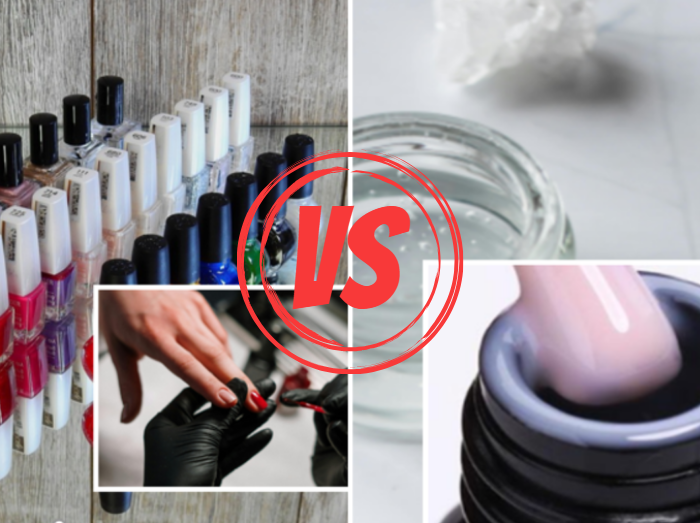
We all love a good manicure, but the choices – regular polish, gel polish, builder gel… it can get confusing! Plus, there’s so much chatter online about what’s good, what’s bad, and what’s just plain wrong. Let’s clear the air and get real about what each one is, what they do, and bust some common myths holding you back.
First Things First: What’s What?
Regular Nail Polish
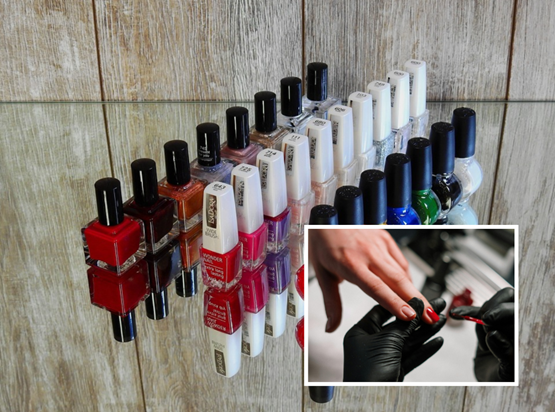
This is the classic stuff. That bottle of colorful liquid you paint on, wait for it to air dry, and it gives your nails a pop of color or shine. It’s basically colored lacquer. Great for quick changes and experimenting.
Gel Polish
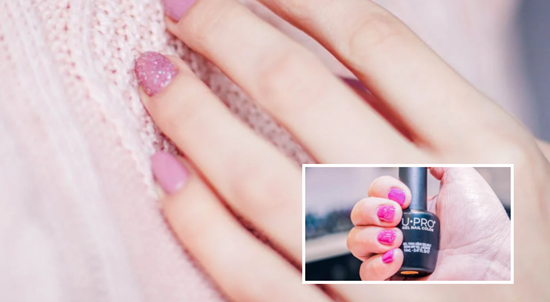
This looks like regular polish in the bottle, but it’s a different beast. It needs that special UV or LED lamp to harden (“cure”). The result? Super shiny, incredibly chip-resistant color that lasts way longer – we’re talking weeks, not days. It feels thin and natural on the nail.
Builder Gel
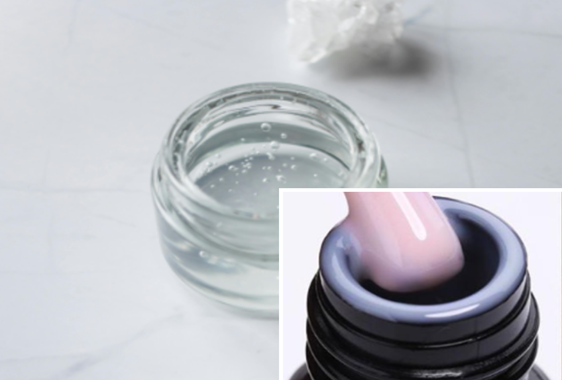
This is thicker, like honey. It’s used to build strength, create extensions (like making short nails long!), or add serious structure. Think of it as the scaffolding. It also needs curing under a lamp.
Why Pick Regular Polish?
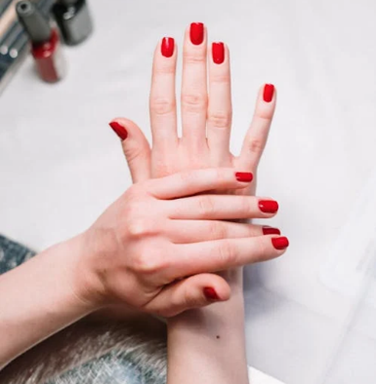
- Speed & Simplicity: Paint it on, let it air dry (maybe while watching TV!), done. No special lamp needed.
- Easy Swaps: Feel like changing colors tomorrow? No problem! Regular polish remover takes it off quickly and easily.
- Gentler Removal: Generally less drying on your natural nails than soaking off gels.
- Toe-Tally Great: Works perfectly on toes, often lasting even longer there thanks to less wear and tear.
- Budget Friendly: Usually the most affordable option upfront.
Why Choose Gel Polish?
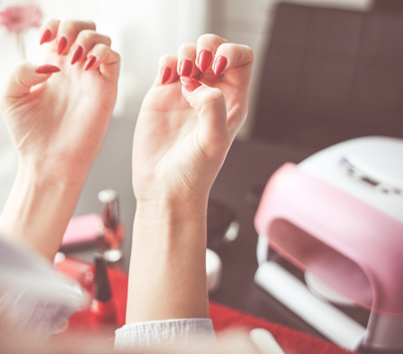
- The Long Haul: This is the biggie. Gel polish laughs at dishes, typing, and general life. It easily lasts 2-3 weeks without chipping or losing its gloss.
- Instant Hardness: The moment it comes out from under the lamp? It’s rock solid and completely dry. No smudging your fresh mani!
- Super Shine: That high-gloss, salon-perfect shine is hard to beat and lasts the whole wear.
- Thin but Tough: It goes on thin, so it feels natural, but packs a serious punch against scratches and dings.
Can’t decide on a shade? Explore our style showdown between soft pinks and nude metallics to find the look that truly suits your vibe.
Why Use Builder Gel?
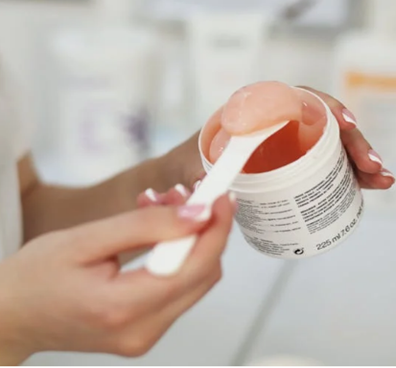
- Strength & Structure: Got weak, bendy nails that always break? Builder gel adds serious reinforcement.
- Length & Shape: Want claws, stilettos, or just a bit more length? Builder gel lets you sculpt extensions.
- Smooth Canvas: Creates a perfectly smooth, even surface, especially great if your natural nails are ridged.
Getting It Done Right: The Basics
Regular Polish
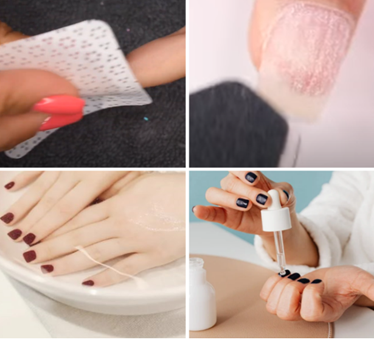
- Prep is key! Clean nails, push back cuticles gently, buff lightly.
- Always use a base coat (protects your nail, helps color stick).
- Thin coats are better than thick gloopy ones! Let each dry a bit before the next.
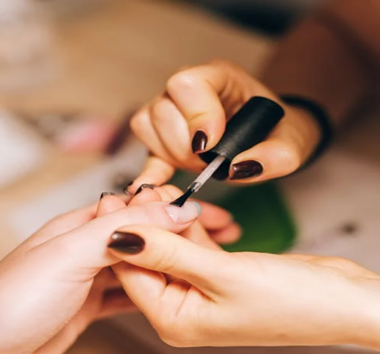
- Seal the deal with a top coat for shine and longevity.
- Moisturize those cuticles afterwards!
Gel Polish & Builder Gel
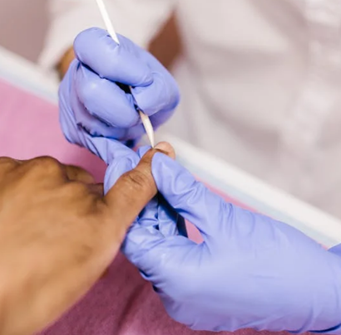
- Prep is EVERYTHING: Clean, shape, gently push back cuticles. Crucially, wipe nails down with rubbing alcohol to remove all oil and dust. Skipping this is a recipe for lifting!
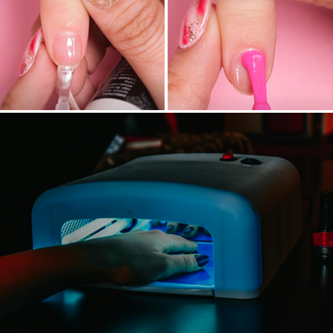
- Layer by Layer: Base coat (cure), color coats (cure each thin layer!), top coat (cure). Follow the lamp times for your specific products!
- Sticky Layer? After curing the top coat, there’s often a slightly sticky residue. Wipe it off gently with alcohol for the final super-shiny finish.
- Hydrate: Don’t forget cuticle oil after!
💡 Want the full breakdown on perfect gel nails and why cuticle care is non-negotiable? Dive into our Ultimate Guide to Gel & Cuticle Nails.
Myth Busting Time! Let’s Get Real
Myth: Gel polish is basically the same as regular polish, just shinier.
Reality: Nope! Gel polish needs UV/LED light to harden chemically. That’s why it lasts so much longer and is instantly dry and hard. Regular polish just dries by evaporation.
Myth: You can just slap gel top coat over wet regular polish.
Reality: Big mistake! The regular polish must be 100% bone dry (like, wait 24 hours dry) before putting gel over it. Otherwise, you trap wet polish underneath, leading to peeling and lifting.
Myth: Gel manicures are totally harmless.
Reality: Overdoing it can weaken nails, making them brittle or peeling. The UV light exposure is a small risk factor for skin aging/cancer (like any UV). Protect your skin with sunscreen or fingerless gloves during curing, and give your nails breaks between gels. Proper removal is also crucial – don’t pick it off!
Myth: Gel nails last forever; keep them on as long as possible!
Reality: 2-3 weeks is ideal. 4 weeks max. After that, the gap at your nail base grows, moisture gets trapped (hello fungus risk!), and the weight/stress on your natural nail tip increases breakage. Time for a soak-off!
Myth: Any remover will take off builder gel.
Reality: You need the heavy hitter: pure acetone. Soak it properly (foil wraps work well), and be patient, especially if it’s thick. Buffing the top layer first helps.
Myth: If gel polish doesn’t cure, it’s probably the lamp’s fault.
Reality: While old bulbs can be a problem, the #1 culprit is applying the polish way too thick. Gel needs thin, even layers for the light to penetrate and harden it all the way through. Bulky layers stay sticky underneath.
Myth: Wrinkles or lumps in cured gel are normal.
Reality: This usually means the layer was too thick or it wasn’t cured long enough. Aim for thin coats and double-check your lamp times. A properly cured gel is smooth and hard.
Myth: The order for gel layers doesn’t really matter.
Reality: Sequence is vital! Base coat → Color coats (curing each) → Wipe off sticky layer → Then nail art (let it dry if regular polish) → Then gel top coat → Cure → Wipe off sticky layer. Doing art over the top coat makes it chip fast.
🎨 Love experimenting at home? Try a flawless gradient with our step-by-step Ombre Nails at Home Tutorial.
Myth: Gel polish will eventually dry without a lamp.
Reality: It absolutely will not. Uncured gel stays sticky and can cause skin allergies over time. The lamp is non-negotiable.
Myth: Curing longer is always better.
Reality: Follow the times for your specific gel and lamp! Over-curing can make some gels brittle. Under-curing leaves it weak and sticky. 30-90 seconds per layer is typical – check the bottle!
Myth: You can’t use regular polish over gel.
Reality: You totally can! Once the gel top coat is cured and hard, regular polish sits on top just fine. Perfect for adding quick designs or changing up the color without redoing the whole gel base. Just use regular remover when you want to change it.
Myth: UV nail lamps are mini tanning beds and cause cancer.
Reality: The risk from occasional gel manicures is considered very low by experts. Studies haven’t found a direct link to skin cancer. The exposure is brief and focused. Still, using sunscreen or UV-protective gloves is a smart precaution if you get gels frequently.
Myth: A little stickiness after curing is fine.
Reality: The top coat should wipe clean to a hard, glossy finish. If it’s still tacky, you likely under-cured it. Pop it back under the lamp for a bit longer.
Myth: Nail polish remover works just as well as acetone for gels.
Reality: For gel polish or builder gel removal, pure acetone is the gold standard. Regular remover (often acetone-free) just won’t cut it effectively. Save yourself the frustration!
So there you have it! The real deal on nail polishes and gels. It’s all about choosing what works for your lifestyle, prepping well, applying correctly, and knowing how to care for your nails underneath. Don’t let the myths scare you off – armed with the facts, you can have fabulous, healthy nails whatever you choose!